This report is the research foundation of a larger foresight process with For Everyone, a Berlin-based social organisation that uses creative practice to help people find belonging in the city.
Rising costs, shifting demographics, a more charged political climate all point to the changes that Berlin's social fabric is undergoing. For Everyone wanted to make sense of that. They wanted to understand whether what they were building would still be relevant in five to ten years, and what forces they needed to account for.
This research was conducted to answer that question. It has since been reworked for a public audience because the forces it describes are relevant to any organisation working on community, social connection, or belonging in Berlin.

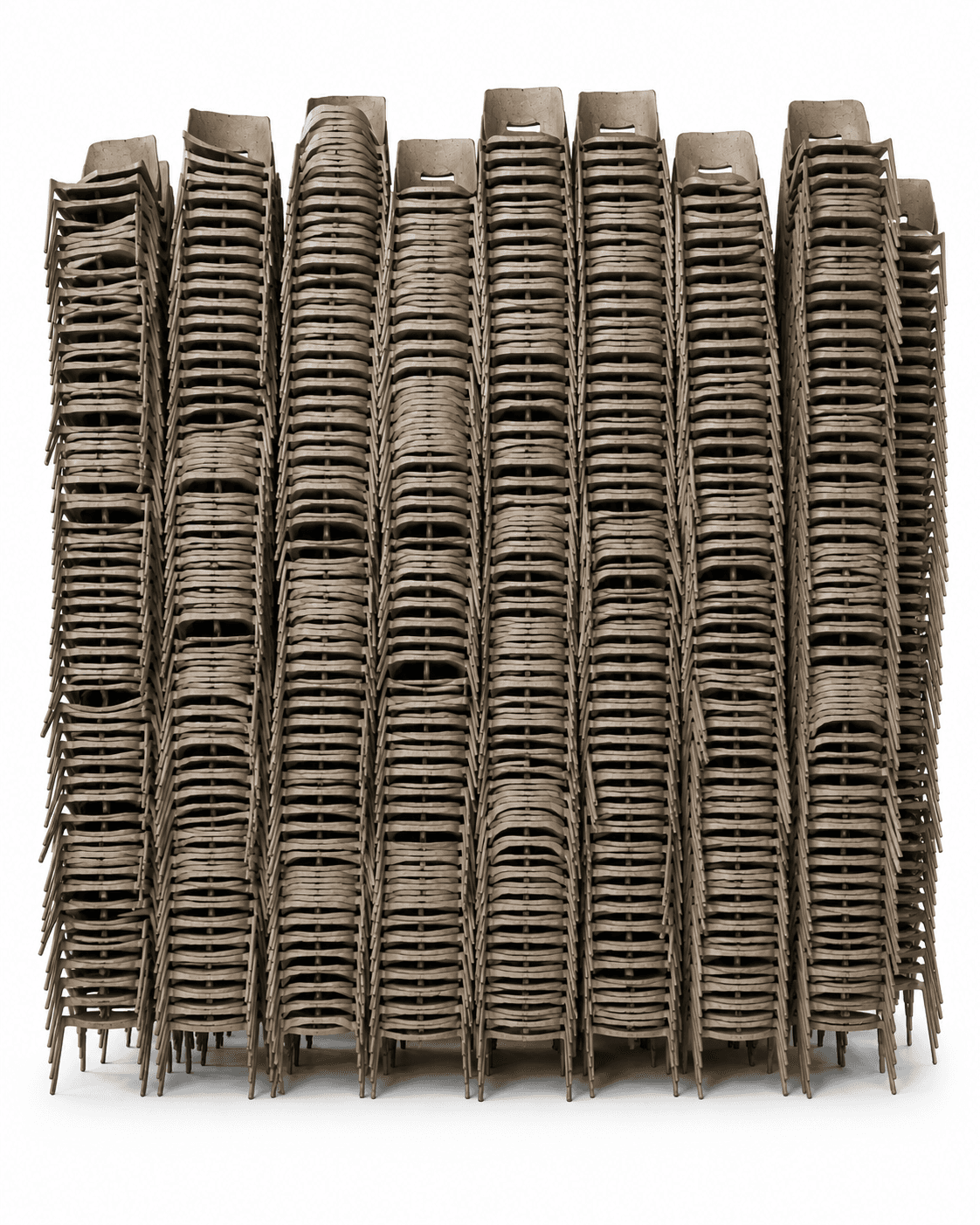
Belonging is shaped by legal status, housing security, language, political climate, and the presence of places where people can return. In Berlin, many of those conditions are under pressure.
Rising housing costs, cultural venue closures, political polarisation, and a loneliness epidemic that disproportionately affects migrants and low-income residents are interconnected problems. They are shifts in the city's social infrastructure that raise hard questions about what community-building requires.
This research asks what belonging looks like in Berlin today, how its changes are perceived by international Berliners, and what forces are shaping it in the years ahead.
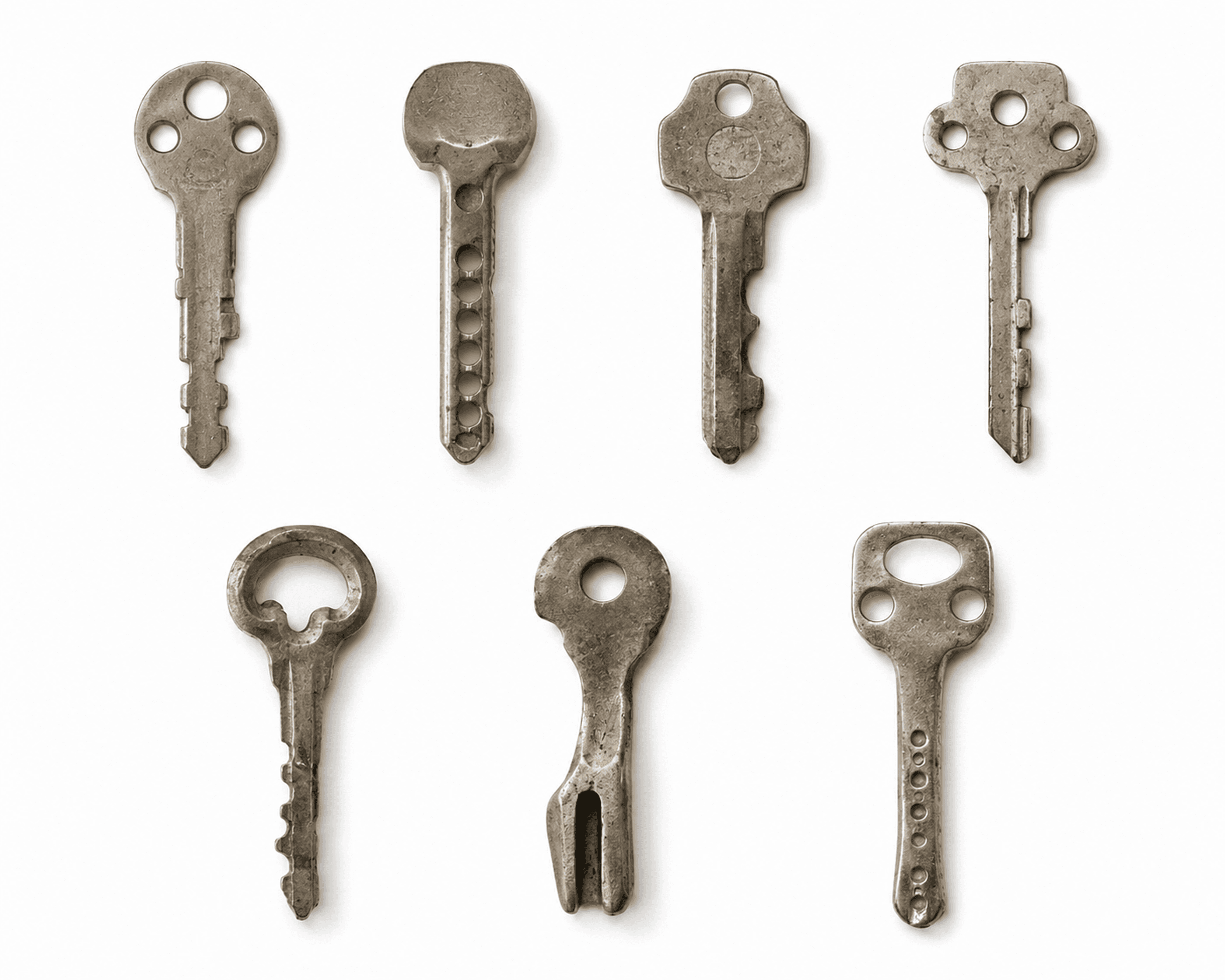
This research began with the lived experience of people navigating Berlin's social landscape.
Seven in-depth interviews with international residents, from South Korea, Brazil, Mexico, Spain, and elsewhere, ranging from recent arrivals to people who have lived in Berlin for over a decade, were conducted alongside a scan of signals emerging across housing, politics, technology, demography, and urban culture.
The combination produces foresight that places lived experiences into the context of the multiple forces of different scales that shape them.
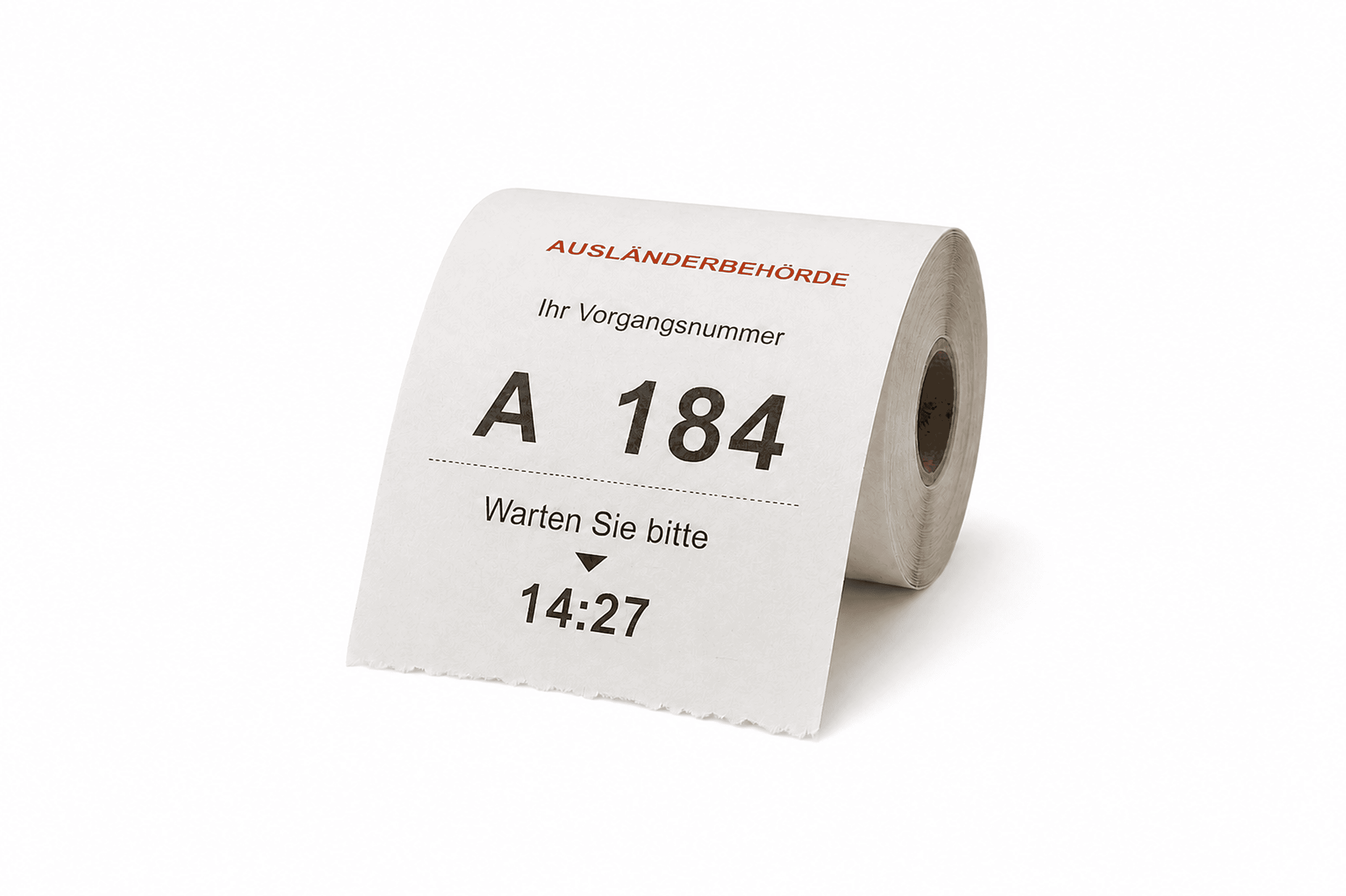
Belonging is structural before it is social
Legal status, stable income, and housing security form the foundation without which belonging of any kind remains fragile. Several interviewees described their first real sense of belonging in Berlin from getting a first job, leading to the feeling of being an equal participant, no longer required to justify their presence.

Social worlds in Berlin run in parallel
Most international residents build their social lives within international or diaspora circles. Initial connections with German residents rarely develop into lasting friendships, even for people who have lived in the city for close to a decade and reached fluency in German, notwithstanding the desire to bridge those worlds.

Loneliness persists even when people seem settled
One specific form of loneliness, which does not map neatly into the category of integration or community-building, emerged from the research. It is the type of loneliness that occurs to people who may have settled down, are not struggling to find work, not disconnected from the city, but they nonetheless have not found “their people.” They have social lives, they go to events, they have friends in multiple circles, but they have not yet found a sense of connection they are looking for.
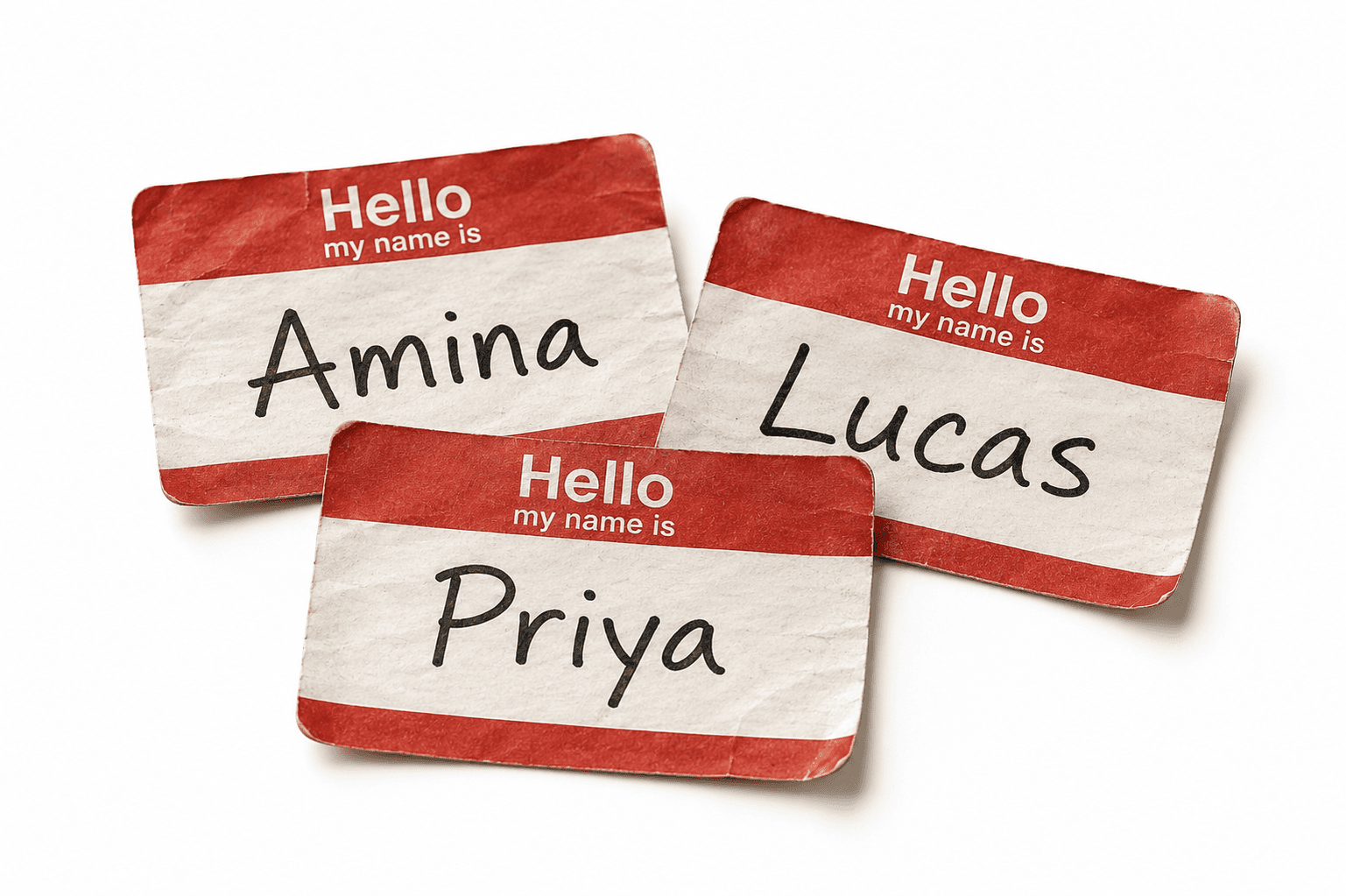
The first meeting is rarely the hard part
Berlin has no shortage of events, workshops, or curated dinners designed for connection. Many people had tried several, but very few had developed friendships that lasted. A common pattern begins with an initial connection, moves through an exchange of contacts and a vague intention to meet again, and ends with a group chat that quietly dies out. In a city with an overwhelming density of opportunities, the effort of following up can outweigh the reward when the connection is not yet deep enough to feel worth protecting.

The framework below organises belonging into four practical questions as a way of situating seeing where someone is and what might be lacking in a specific moment of someone’s life.
Do I feel accepted?
Am I part of a community?
Is this a place for me?
Does the system include me?
A facilitated workshop in which your team uses the findings and signals from this research to co-create plausible futures of belonging relevant to your context. Who feels included or excluded in each future? What role could your organisation play?
A workshop that brings the futures scenarios into direct conversation with your current work and stress-test priorities, identify what holds across different futures, and surface small, actionable initiatives worth testing now.
The findings in this report point to territories that deserve deeper investigation. We are open to collaborative research partnerships that build on this foundation, whether for a specific community, city, or organisational context.
For organisations interested in moving beyond conventional research outputs, we design artefacts, scenarios, and public programmes that make futures of belonging experiential and discussable.
